
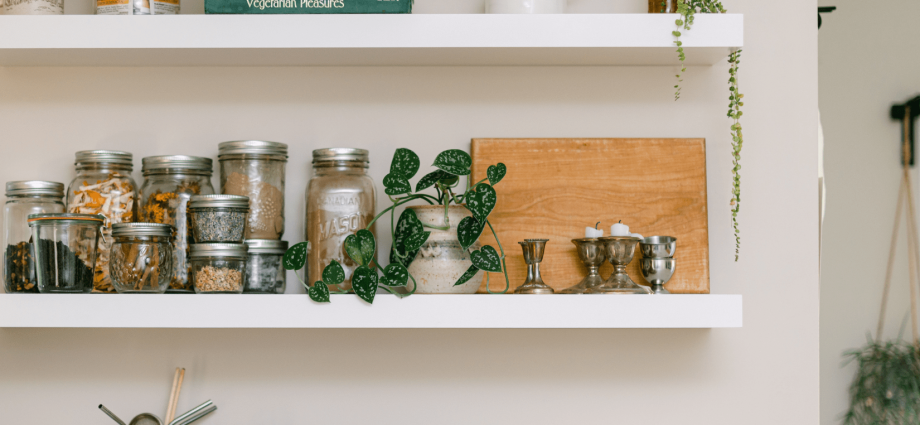
Let’s be honest. The idea of a “zero-waste” life can feel… impossible. Especially when you’re juggling school runs, packed schedules, and a budget in a city apartment. The perfect mason jar pantries on social media? They’re not the whole story.
Here’s the deal: low-waste living isn’t about perfection. It’s about progress. It’s a series of mindful choices that add up—reducing trash, saving money, and honestly, creating a simpler home rhythm. For urban families, it’s less about sprawling compost heaps and more about smart swaps and systems that actually stick.
Why “Low-Waste” Beats “Zero-Waste” for Busy City Dwellers
The “zero” label sets us up for failure. A low-waste lifestyle, on the other hand, is flexible. It acknowledges that you might forget your reusable produce bags sometimes, or that certain medications come in plastic. And that’s okay. The goal is to significantly cut down on single-use items and landfill contributions, not to achieve some mythical state of purity.
Think of it like a diet. The most restrictive ones often fail. A sustainable, balanced approach? That lasts. This mindset shift is crucial for making low-waste living for families feel doable, not daunting.
Kitchen & Grocery: The Heart of the Home (and the Waste)
This is where most family waste happens—and where the biggest wins are. You don’t need to overhaul everything overnight. Start with one habit.
The Shopping Game Plan
First, meal planning. I know, it sounds tedious. But a rough plan for the week cuts down on impulsive buys and food waste dramatically. Next, your shopping toolkit: a collection of reusable bags (not just totes, but those lightweight mesh ones for produce), jars for bulk bins, and containers for the deli counter.
More and more urban grocery stores now have bulk sections for nuts, grains, spices, and even shampoo. Buying in bulk reduces packaging and often saves cash. And don’t overlook the farmers market—not just for veggies, but for eggs in returnable cartons and cheese wrapped in paper.
Storage & Leftovers: The Great Reducers
Ditch the plastic wrap. Seriously. Beeswax wraps, silicone lids, and good old-fashioned plates on top of bowls work wonders. Store leftovers in clear glass containers so you actually see that leftover lasagna before it becomes a science project.
Get creative with scraps. Vegetable peels and ends can be frozen for homemade broth. Stale bread becomes croutons or breadcrumbs. It’s a small shift that turns “waste” into a resource.
Beyond the Kitchen: The Rest of the Urban Nest
Low-waste living for families extends into every room. The key is to use what you have first. That bottle of harsh cleaner? Finish it before you make a vinegar-based one.
Bathroom & Personal Care Simplification
The bathroom is a landfill in the making. Shampoo bottles, toothpaste tubes, plastic razors. The switch here is to solid versions: shampoo bars, bar soap, and even toothpaste tablets. They last forever, travel easily, and come in minimal paper packaging.
For families, consider a family-sized pump bottle you refill from a large, bulk liquid shampoo container—cuts down on multiple small bottles. And for the kids? Look for durable, wooden toothbrushes or bamboo ones.
The Kid Zone: Toys, Clothes, and School Stuff
Kids outgrow everything at lightning speed. The most powerful low-waste tool here is the secondhand market. Swap clothes with friends, haunt local buy-nothing groups, and visit thrift stores. The same goes for toys and books. It saves incredible amounts of waste—and money.
For school lunches, a simple bento-style box with compartments eliminates the need for disposable baggies and wrappers. Pair it with a reusable water bottle and you’ve got a waste-free lunch kit.
Urban Family Waste Audit: A Quick Reality Check
Curious where you stand? Here’s a simple table to track your main waste streams and easy starting points. Don’t try to tackle all at once. Pick one column.
| Waste Category | Common Culprits | First-Step Swap |
|---|---|---|
| Food & Kitchen | Produce bags, plastic wrap, food packaging, food scraps | Use mesh produce bags & store leftovers in containers |
| Bathroom | Shampoo bottles, toothpaste tubes, disposable razors | Switch to a shampoo bar & a safety razor |
| Kids & Family | Fast-fashion kids clothes, plastic toys, single-use snack packs | Join a local toy/clothing swap group |
| Shopping & Logistics | Single-use coffee cups, takeout containers, delivery packaging | Carry a reusable coffee cup & decline cutlery in delivery apps |
Making It Stick: Systems Over Willpower
Motivation fades. Systems endure. Set up your home to make the low-waste choice the easy choice.
- Keep reusable bags by the door or in the car. Not in a closet.
- Have a designated “bulk bin jar” basket ready to go for shopping.
- Set up a simple compost system if your city offers pickup—or even a small countertop bin for a community garden drop-off.
- Make “mending” a thing. A simple sewing kit for small repairs extends the life of clothes immensely.
And involve the kids. Let them pick out their own reusable lunchbox. Make a game of finding package-free snacks. When they’re part of the process, it becomes family culture, not a parental chore.
The Ripple in the City
Embracing a low-waste lifestyle in an apartment or a dense neighborhood does something subtle. It connects you. You start to notice the local refill shop, the bakery that welcomes your own bag, the repair cafe around the corner. You participate in the sharing economy—libraries for things, not just books.
It’s not about one family achieving zero. It’s about millions of families doing a little bit. That collective shift? It changes demand, it changes systems, it cleans up the shared urban space we all call home. You start with a reusable coffee cup, and you end up feeling… just a bit more rooted. And in the frantic pace of city life, that feeling is perhaps the most valuable thing of all.