
There’s a moment, right after you step into a resort bathroom, when you see the little card on the counter. You know the one — “Help us save the planet, reuse your towels.” And you think, sure, okay. But honestly? That card is just the tip of the iceberg. Behind the scenes, the best eco-friendly resorts are running water systems that would make a desert botanist weep with joy. Let’s pull back the curtain on how they do it — and why it matters more than ever.
Why Resorts Are Finally Taking Water Seriously
Here’s the deal: a single luxury resort can guzzle up to 1,500 gallons of water per guest, per day. That’s not a typo. Between sprawling golf courses, infinity pools, spa steam rooms, and those endless rain showers — it adds up fast. And with droughts hitting places like the Mediterranean, the Caribbean, and even parts of Southeast Asia, the pressure is on. Not just from regulators, but from guests themselves. Travelers are smarter now. They’re asking the tough questions before booking.
So what’s the solution? It’s not about asking guests to skip a shower. It’s about engineering. Smart, invisible, sometimes even beautiful engineering that recycles, reuses, and reduces without you ever noticing the difference.
The Big Three: Harvest, Recycle, Monitor
Think of resort water conservation like a three-legged stool. You need all three to stand up straight. Harvesting (catching water that falls from the sky), recycling (treating and reusing what goes down the drain), and monitoring (knowing exactly where every drop goes). Let’s break each one down.
Rainwater Harvesting: Not Just a Barrel Anymore
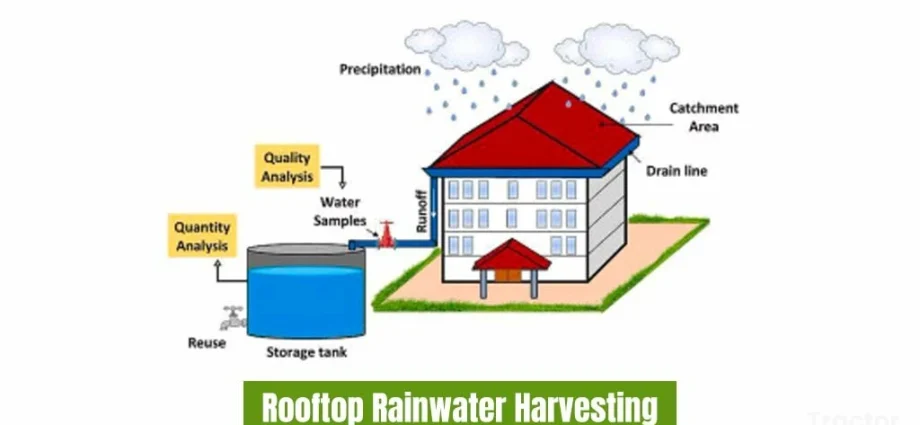
Rainwater harvesting has come a long way from the rusty barrel under the gutter. Modern resorts are installing massive underground cisterns — we’re talking tens of thousands of gallons. They collect runoff from rooftops, which is then filtered and used for irrigation, toilet flushing, and even cooling systems.
One resort in Bali, for instance, has integrated rainwater channels into its architectural design. The water flows through visible stone troughs — guests think it’s decorative. And it is. But it’s also feeding a 50,000-gallon storage tank. That’s the kind of dual-purpose thinking that makes conservation feel seamless.
Greywater Recycling: The Workhorse Nobody Talks About
Greywater is the water from your sinks, showers, and laundry — not toilets, that’s blackwater. And it’s a goldmine. Instead of sending it all to a treatment plant, eco-resorts are treating it on-site. Filtration systems use sand, UV light, and sometimes even constructed wetlands (yes, actual mini-marshes) to clean the water.
Here’s a stat that might surprise you: up to 70% of a resort’s wastewater is greywater. That’s a huge opportunity. After treatment, this water isn’t drinkable, but it’s perfect for landscaping, washing outdoor areas, and even refilling decorative ponds. Some resorts have closed-loop systems where the same water cycles through the garden, evaporates, falls as rain, gets harvested, and starts again. Kind of poetic, right?
Smart Monitoring: The Invisible Hero
You can’t fix what you can’t measure. That’s why the top resorts are installing IoT-connected sensors on every major water line. These little devices track flow rates in real-time. If a pipe springs a leak, the system flags it within minutes — not weeks. Some systems even use AI to detect patterns that suggest a toilet is running or a faucet is dripping.
One property in Arizona reduced its water consumption by 28% in the first year just by fixing leaks they didn’t know existed. That’s not cutting back on guest comfort — that’s just stopping waste. And honestly, that’s the low-hanging fruit every resort should grab first.
Beyond the Basics: Next-Level Innovations
Okay, so harvesting, recycling, and monitoring are the foundation. But the truly forward-thinking resorts are going further. They’re experimenting with systems that sound like science fiction but are actually practical.
Condensate Recovery: Water from Thin Air
Air conditioning units produce condensation — a lot of it. In humid climates, a single large AC unit can produce hundreds of gallons of water per day. That’s distilled water, essentially. Resorts are now piping this condensate directly into their irrigation systems or even into pools. It’s free water, literally pulled from the air you’re already cooling.
Dual Plumbing in Guest Rooms
This is a subtle one. Some new builds are installing separate pipes for potable (drinking) and non-potable water. The non-potable lines feed the toilets and garden hoses. Guests never see it, but they’re using recycled water for flushing. It’s a quiet, efficient system that feels almost sneaky in its brilliance.
Ozone Laundry Systems
Laundry is a massive water hog at resorts. Sheets, towels, robes — it never stops. Ozone laundry systems inject ozone gas into cold water, which sanitizes fabrics without hot water or heavy chemicals. This cuts water usage by up to 35% and energy costs by even more. Plus, fabrics last longer. Win-win-win.
What This Means for the Guest Experience
Now, you might be thinking — does any of this affect my stay? Well, yes and no. The water pressure in your shower? Unchanged. The temperature of the pool? Perfectly maintained. But here’s what you will notice: the landscaping looks lush even during a drought. The air smells fresher because there’s less chemical treatment. And you might sleep better knowing your vacation isn’t draining a local community’s aquifer.
Some resorts are even turning conservation into an experience. Guided tours of the water treatment facility. Interactive dashboards in the lobby showing real-time savings. It’s not preachy — it’s fascinating. Guests love seeing the behind-the-scenes magic.
Challenges and Trade-offs (Let’s Be Real)
It’s not all smooth sailing. Retrofitting an older resort with dual plumbing is a nightmare — we’re talking tearing up walls. And the upfront cost of these systems can be steep. A comprehensive greywater recycling plant might run into the millions. That’s a hard pill to swallow for a mid-sized property.
But here’s the thing: water costs are rising. In many regions, the price of municipal water has tripled over the last decade. So that million-dollar investment? It often pays for itself in five to seven years. Plus, there’s the marketing angle. Eco-certifications like LEED or Green Key aren’t just badges — they’re booking drivers. A significant chunk of travelers actively seek out sustainable stays.
A Quick Look at the Numbers
Let’s put this in perspective with a simple comparison. Here’s a rough breakdown of water usage in a typical luxury resort versus a water-smart one:
| Usage Area | Traditional Resort | Water-Smart Resort |
|---|---|---|
| Guest rooms (showers, sinks) | 100 gallons/room/day | 80 gallons/room/day (low-flow fixtures) |
| Landscaping | 50,000 gal/day (drinking water) | 5,000 gal/day (recycled greywater) |
| Laundry | 30 gallons/room/day | 18 gallons/room/day (ozone system) |
| Pools & spas | Backwashed and dumped | Filtered and reused |
| Total daily use (200 rooms) | ~36,000 gallons | ~20,600 gallons |
That’s a 43% reduction. And in a drought-prone area, that could be the difference between staying open and shutting down.
The Future Is Circular
We’re moving toward a circular water economy. That means nothing is “wasted” — every drop is part of a loop. Some resorts are experimenting with blackwater treatment too, using anaerobic digesters that break down waste and produce biogas for heating. It’s ambitious, sure, but the technology is maturing fast.
And let’s not forget the human element. Staff training is huge. A housekeeper who knows to report a dripping faucet immediately is worth their weight in gold. Many resorts now run gamified conservation programs — departments compete for monthly water-saving awards. It sounds silly, but it works.
So, What’s the Takeaway?
Eco-friendly water conservation isn’t about sacrifice. It’s about intelligence. The resorts leading the charge aren’t asking guests to rough it — they’re using technology to deliver the same luxury with a fraction of the footprint. And honestly, that’s the only way forward. As water becomes scarcer and more expensive, the resorts that adapt will thrive. The ones that don’t? Well, they’ll become cautionary tales.
Next time you book a stay, ask about their water systems. You might be surprised by the answer. Or you might get a blank stare. Either way, you’ll know which resort is building for the future — and which one is just coasting on yesterday’s glory. The choice, as they say, is yours. But the water… well, the water is everyone’s.