
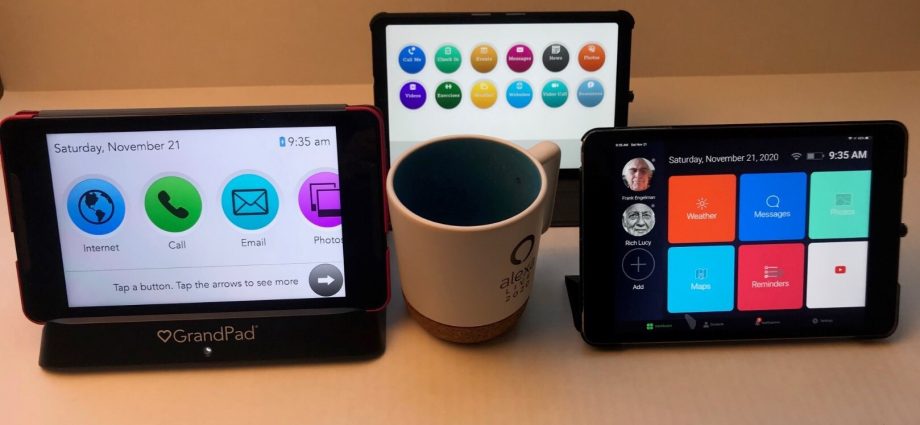
Let’s be honest. The phrase “smart home” often conjures images of tech-savvy millennials shouting at sleek speakers. But here’s the deal: the group that stands to benefit the most might just be our seniors. Imagine a home that listens, responds, and quietly lends a hand—not to replace human care, but to empower it.
Accessible smart home automation for seniors isn’t about flashy gadgets. It’s about creating a living space that adapts to changing needs, reduces everyday friction, and, honestly, provides profound peace of mind for both the senior and their family. It’s technology with a gentle touch.
Why Smart Homes Are a Game-Changer for Aging in Place
Most seniors want to age in place—to stay in their own familiar homes for as long as possible. The right technology makes that goal not just possible, but safer and more comfortable. It’s like having a silent, ever-vigilant companion.
Think about common pain points: forgetting to turn off the stove, struggling to reach a light switch in the dark, or the anxiety of missing a medication dose. Accessible home automation solutions address these directly. They bridge the gap between ability and environment, offering support that’s proactive, not intrusive.
Core Benefits You Can’t Ignore
- Enhanced Safety & Security: Automated lights deter falls. Smart locks let in caregivers without a physical key. Sensors can detect water leaks or unusual inactivity.
- Simplified Daily Routines: Voice commands control everything from TV volume to thermostat settings. No more fumbling with tiny buttons.
- Health & Wellness Monitoring: Medication dispensers with alerts, bed sensors for rest patterns, and easy video calls with doctors. It’s health management woven into daily life.
- Social Connection: With a simple voice command, they can call grandkids, listen to an audiobook, or hear the day’s news. It fights isolation, which is a huge deal.
Building a Senior-Friendly Smart Home: Start Simple
The key is to start with one or two devices that solve a specific problem. Overwhelm is the enemy here. You don’t need a full-house overhaul on day one. Let’s dive into the most impactful starting points.
The Command Center: Voice Assistants
For accessible smart home devices, a voice assistant is the golden ticket. It’s the natural, no-touch interface that makes everything else work. Devices like the Amazon Echo Show or Google Nest Hub are fantastic because they add a visual screen—seeing who’s at the door or a video call face is much easier.
Set up routines. A “Good Morning” routine can turn on lights, announce the weather, and start the coffee maker. A “Goodnight” routine can lock doors, turn off lights, and set the thermostat. It creates predictability.
Safety-First Automation Essentials
| Device Type | What It Does | Why It Matters |
| Smart Plugs & Lights | Automate lamps, fans, or appliances. Control by voice, schedule, or motion. | Eliminates dark walkways. Can auto-turn off a space heater for fire safety. |
| Smart Door Locks & Video Doorbells | See and speak to visitors without opening the door. Grant temporary access. | Prevents falls rushing to the door. Enhances security and filters unwanted guests. |
| Automated Stove Shut-Off | Detects when a stove has been left on unattended and turns it off. | Addresses a top worry for families. Provides critical peace of mind. |
| Personal Emergency Response (PERS) + Fall Detection | Wearable or room sensors that detect falls and alert family or emergency services. | The ultimate safety net. Modern systems are far less obtrusive than old “I’ve fallen” pendants. |
Navigating the Challenges: Making Tech Truly Accessible
Sure, the tech exists. But implementation is everything. The goal is invisible help—not a constant reminder of needing help. Here’s how to get it right.
- Prioritize Voice & Automation Over Apps: If it requires a smartphone app to work, it’s probably the wrong choice. Voice and automatic triggers (like motion or time) are king.
- Keep Interfaces Simple: Use devices with physical buttons as a backup. Large, tactile remote controls for smart TVs, for example, beat a confusing on-screen menu any day.
- Involve the Senior in Setup: This is crucial. Let them choose the wake word, the voice of the assistant, the routines. Ownership reduces resistance. It becomes their tool, not yours.
- Robust Wi-Fi is Non-Negotiable: A spotty connection turns a helpful device into a frustrating paperweight. Invest in a good mesh network system for full home coverage. It’s the unsung hero.
A Thoughtful Approach to Privacy and Monitoring
This is the delicate part. Smart home technology for elderly parents can include monitoring features—door contact sensors, motion sensors, and the like. The line between care and surveillance is thin.
Transparency is everything. Frame it as safety, not snooping. “This sensor will let me know if you get up at night and don’t return to bed, so I can check in,” versus “I’ll be watching your movements.” The intent is safety and independence, not control. It’s a partnership.
Wrapping Up: Technology as a Gentle Anchor
At its best, accessible smart home automation for seniors fades into the background. It’s the light that turns on before they even realize it’s dark. It’s the front door that locks itself, the medication reminder spoken in a calm voice, the simple joy of hearing a favorite song without having to search for it.
This isn’t about creating a sterile, futuristic pod. It’s about using thoughtful, senior-friendly smart devices to protect the warmth and dignity of home. To add layers of safety that feel like comfort, not confinement. The real success metric? When the technology isn’t noticed at all—only the newfound ease and the quiet confidence it brings.