
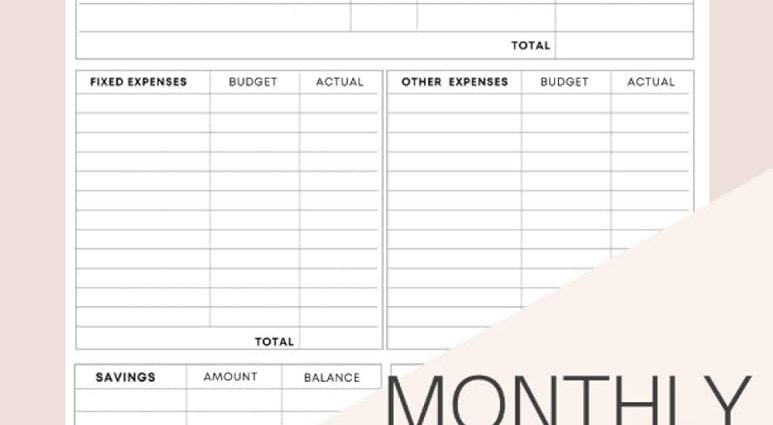
So the holidays are over. The tinsel is packed away, the last cookie crumb has been swept up, and… your wallet feels a little lighter. Maybe a lot lighter. Honestly, you’re not alone. That post-holiday financial hangover is real—and it hits harder than that third glass of eggnog ever did.
But here’s the thing: this isn’t a punishment. It’s a reset. A chance to look at your money with fresh eyes, without the pressure of gift lists and party planning. Let’s talk about how to shift from “surviving the spending” to actually intentional spending—the kind that feels good, not guilty.
First, audit the damage (without the shame)
Before you can fix anything, you gotta know what you’re working with. Pull out your bank statements, credit card bills, or—if you’re old school—that little notebook you scribbled in. Don’t judge yourself. Just observe.
Look for patterns. Did you overspend on one person? Or was it all those little “just because” purchases at the checkout line? Maybe it was the shipping fees that added up. Key takeaway: the goal isn’t guilt—it’s awareness.
I remember one year, I spent nearly $200 on stocking stuffers alone. Two hundred bucks for tiny things that got lost in the couch cushions by New Year’s. That stung. But it taught me something: I needed a strategy, not just a budget.
What is intentional spending, really?
You’ve heard the phrase before, I’m sure. But let’s break it down. Intentional spending isn’t about being cheap. It’s about alignment. It’s asking, “Does this purchase match my values, my goals, my actual needs?”
Think of it like this: if your money is a garden, intentional spending is planting seeds you actually want to grow. Not just throwing seeds everywhere and hoping for the best. That’s what the holidays often feel like—a frantic seed-throwing contest.
Post-holiday, you get to pull the weeds. You get to decide what stays and what goes. And that starts with a few simple shifts.
Step one: the 30-day spending pause
Here’s a wild idea: stop spending money for 30 days. I mean, on non-essentials. You still pay rent, buy food, fill up the gas tank. But no new clothes, no takeout coffee, no random Amazon purchases. Just… pause.
It sounds extreme, I know. But it’s like a detox for your wallet. You’ll start noticing how often you spend out of habit, not hunger or need. You’ll feel the discomfort—and that’s the point. Discomfort breeds clarity.
During this pause, keep a list of things you want to buy. Write them down. After 30 days, revisit the list. You’ll probably laugh at half of it. The other half? Those are the intentional purchases.
Step two: rebuild your budget around joy
Most budgets are built on guilt. “I shouldn’t spend on X.” “I need to cut back on Y.” That’s a recipe for resentment. Instead, try a joy-based budget.
List your top five non-negotiable expenses that bring you real happiness. Maybe it’s a gym membership, a streaming service, or a weekly brunch with friends. Then, allocate money to those first. After that, everything else gets trimmed.
Here’s a simple table to visualize it:
| Category | Pre-holiday spending | Post-reset goal |
|---|---|---|
| Dining out | $200 | $80 (focused on joy meals) |
| Clothing | $150 | $50 (only if needed) |
| Subscriptions | $75 | $40 (cancel unused ones) |
| Gifts | $500 | $100 (planned ahead) |
See the difference? It’s not about deprivation. It’s about direction.
Step three: automate your savings like it’s a bill
You know what’s sneaky? The way money disappears when you don’t look at it. So, flip the script. Set up an automatic transfer to a savings account—even if it’s just $20 a week. Treat it like a non-negotiable bill.
This is especially powerful after the holidays. Your brain is still in “spending mode.” Use that momentum to build a buffer. Call it your “post-holiday recovery fund.” Or your “I’m not going broke next December” fund. Whatever works.
And here’s a trick: name the account something emotional. “Freedom fund.” “Travel stash.” “Emergency cushion.” It makes you less likely to touch it.
Step four: rethink gifting—all year round
Let’s be real: a lot of holiday spending is driven by obligation. You buy for your cousin’s roommate because you feel weird not including them. You grab a last-minute gift for the mail carrier. It adds up.
Intentional spending means rethinking gifts entirely. Maybe you set a rule: only gifts for people you’ve actually spoken to in the past year. Or you switch to experiences—like a homemade dinner or a day hike. Or you start a “gift closet” where you buy things on sale throughout the year, so December isn’t a financial ambush.
Honestly, some of the best gifts I’ve ever received were handwritten letters or a playlist. No money spent, but tons of thought.
Step five: embrace the “one in, one out” rule
This is for the stuff you buy. Clothes, gadgets, kitchen tools. For every new item you bring into your home, one old item has to leave. Donate it, sell it, recycle it. This keeps your spending in check and your space clutter-free.
It’s a small mental shift, but it works. You start asking, “Do I love this enough to let go of something else?” That question alone can stop an impulse buy cold.
Step six: track your spending for 21 days
You don’t need a fancy app. A notebook works. Or a simple spreadsheet. For three weeks, write down every single purchase—down to the pack of gum. This isn’t about restriction. It’s about witnessing your habits.
You’ll be surprised. Maybe you spend $40 a month on vending machines. Or $60 on app subscriptions you forgot about. Once you see it, you can decide if it’s worth keeping. Most of the time… it’s not.
After 21 days, patterns emerge. And patterns are easier to change than vague “I need to spend less” promises.
Step seven: plan for next year’s holidays—right now
I know, I know. You’re still recovering from this year. But hear me out. If you start setting aside $10 a week now, by next December you’ll have over $500 saved for gifts. That’s painless. That’s intentional.
Set up a separate savings account or a sinking fund. Call it “Holiday 2025.” Even if you only put in $5, it’s a start. Future you will be so grateful.
What about debt? (Let’s address the elephant)
If you racked up credit card debt over the holidays, you’re not alone. But don’t let it fester. Make a plan. Pay more than the minimum. Consider a balance transfer card with 0% APR if you can pay it off in 12 months. Or use the snowball method: pay off the smallest balance first, then roll that payment into the next one.
The key is to stop the bleeding. Don’t add new debt while you’re paying off old debt. That’s like trying to fill a bathtub with the drain open.
Intentional spending isn’t boring—it’s liberating
Here’s the thing nobody tells you: when you spend intentionally, you actually enjoy your money more. Every purchase feels like a choice, not a mistake. You stop feeling that little twinge of regret when you check your bank balance.
It’s like the difference between eating a whole bag of chips mindlessly versus savoring a few really good ones. Same money, better experience.
Post-holiday reset isn’t about punishment. It’s about reclaiming control. You get to decide what your money does for you—not the other way around.
So take a breath. Look at your numbers. Start small. And remember: the goal isn’t perfection. It’s progress. One intentional purchase at a time.