
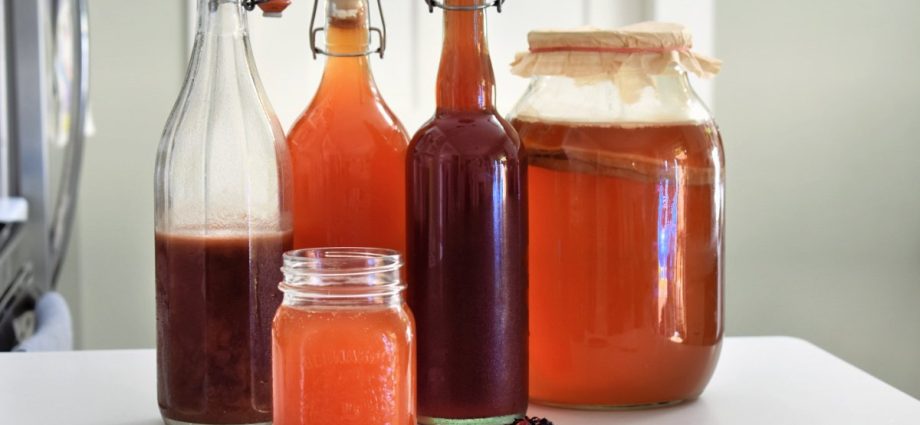
Let’s be honest. The world of gut health can feel overwhelming. One day it’s a superfood powder, the next it’s a pricey probiotic pill. But what if the most powerful, cost-effective tool for your microbiome has been hiding in plain sight—or rather, in your pantry? That’s the magic of home fermentation and probiotic food crafting.
This isn’t about fancy equipment or a chemistry degree. It’s about harnessing an ancient, almost alchemical process. You’re not just making food; you’re cultivating a living ecosystem. And the result? Tangy, complex flavors and a daily dose of beneficial bacteria that store-bought versions often can’t match.
Why Your Gut is Begging You to Start Fermenting
Sure, you can buy sauerkraut. But here’s the deal: commercial versions are often pasteurized, a heat process that kills the very probiotics you’re after. Home fermentation puts you in control. You decide the ingredients, the salt level, the ferment time. It’s the ultimate in food transparency.
Beyond the gut benefits—which are substantial, linking to everything from digestion to immune function—there’s a deeper reward. In a world of instant gratification, fermentation teaches patience. You learn to observe, to trust the process. A jar of bubbling vegetables becomes a quiet, living lesson in biology. It’s honestly pretty cool.
The Starter Kit: What You Actually Need to Begin
Forget the intimidating setups. You can start with what you have. The core principle is simple: create an anaerobic (oxygen-free) environment where good bacteria (like Lactobacillus) can thrive and outcompete the bad.
Essential Gear for Beginner Probiotic Food Crafting
| Item | Purpose | DIY Alternative |
| Glass Jar (Mason jar) | Primary fermentation vessel | Any clean glass container |
| Weight | Keeps veggies submerged in brine | A smaller, clean jar filled with water or a boiled rock |
| Fermentation Lid or Cloth | Allows gases to escape while keeping bugs out | A coffee filter or clean tea towel secured with a rubber band |
| Salt (non-iodized) | Creates brine, inhibits bad microbes | Sea salt, kosher salt, pink salt |
| Fresh Vegetables | Your fermentation canvas | Cabbage, carrots, cucumbers, radishes—start firm and fresh |
See? Nothing crazy. The real “special ingredient” is just time.
Your First Ferment: Simple Sauerkraut, Demystified
Okay, let’s dive in. Sauerkraut is the perfect gateway ferment. Two ingredients. One technique. Here’s a step-by-step guide to crafting your own probiotic-rich kraut.
- Chop & Salt: Finely shred one head of green cabbage. Toss it in a large bowl with 1.5 teaspoons of non-iodized salt. Massage and squeeze the cabbage for 5-10 minutes until it’s wilted and swimming in its own brine. This liquid is key—it’s the environment for our friendly bacteria.
- Pack It Tight: Grab your jar. Start packing the cabbage in, handful by handful, pressing down firmly with your fist or a tool to eliminate air pockets. The goal is to get the cabbage fully submerged under its own brine. Leave about 1-2 inches of space at the top.
- Weigh It Down & Cover: Place your weight on top of the cabbage to keep it under the brine. Any piece floating above the liquid is a target for mold. Cover the jar with your fermentation lid or cloth.
- Wait & Watch: Store the jar at cool room temperature, out of direct sun. In 24-48 hours, you’ll see tiny bubbles—that’s the sign of life you want! Let it ferment for anywhere from 1 to 4 weeks. Taste it weekly. When the tanginess suits you, screw on a regular lid and refrigerate. It’ll keep for months.
The beauty is in the variation. Add some shredded carrot and ginger for a kick, or caraway seeds for a classic touch. You’re the crafter now.
Beyond Kraut: The Vibrant World of Fermented Foods
Once you’ve got the basic method down, a whole universe opens up. Each ferment has its own personality, its own rhythm.
- Fermented Hot Sauce: A blend of chili peppers, garlic, and a brine ferment creates a complex, fiery condiment that’s alive with probiotics. It beats any store-bought bottle, hands down.
- Simple Kimchi: Korea’s iconic side dish is a riot of flavor—napa cabbage, radish, scallions, and a spicy paste. It’s a funkier, more robust cousin to sauerkraut.
- Ginger Bugs & Sodas: This is where it gets really fun. A ginger bug is a wild yeast starter made from—you guessed it—ginger, sugar, and water. You can use it to brew naturally fizzy, probiotic sodas from fruit juice or herbal tea. It’s like capturing lightning in a bottle, but tastier.
Troubleshooting: Embracing the “Oops” Moments
Not every ferment is picture-perfect. And that’s okay. Here are common hiccups:
Kahm Yeast: A white, wrinkly film on the surface? It’s usually harmless Kahm yeast, often from too-warm temperatures or too little salt. You can skim it off. The ferment beneath is typically fine. If it smells cheesy or foul, though, trust your nose and compost it.
Mold: Fuzzy, blue, green, or black mold on the surface is a different story. If you see this, it means the veggies weren’t fully submerged. You should discard the batch. It’s a bummer, but a good lesson in keeping everything under that brine.
Too Soft or Mushy: This can happen if the vegetables were overripe or the temperature was too high. Using a tannin source (like a grape or oak leaf) can help keep pickles crisp. It’s a neat old trick.
The Quiet Joy of a Living Kitchen
In the end, home fermentation is about more than just probiotic density or trendy foods. It’s a reconnection—to our food, to microbial worlds we can’t see, and to a slower, more intentional rhythm of life. It’s about the satisfying pop of a jar lid after a successful ferment, the vibrant crunch of a carrot you transformed yourself.
You start with simple ingredients, add a bit of salt and time, and end up with something alive, something greater than the sum of its parts. It’s a gentle rebellion against the sterile, the packaged, the impersonal. And honestly, it makes your sandwiches a whole lot more interesting. So, what’s sitting in your fridge right now that’s just waiting to be transformed?